A leading specialist in life-cycle assessment for pavements — author of the national standards, builder of the federal tools, and the voice industry, government, and academia call on from Washington to Mumbai to Brussels.
Dr. Chaitanya Bhat leads sustainability engineering and research at the Asphalt Institute, where he sets the technical and strategic agenda for how an entire industry measures and reduces its environmental footprint.
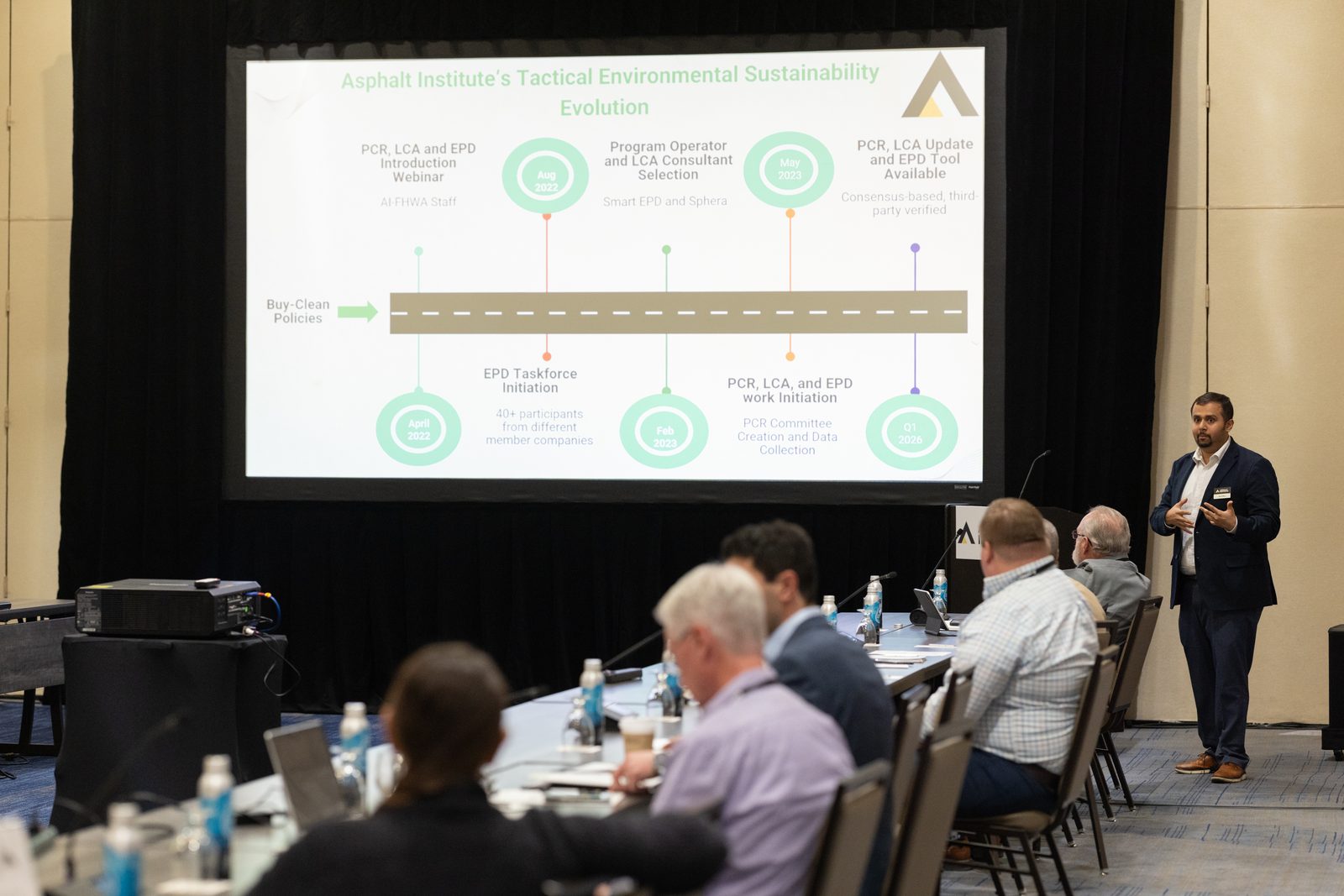
His work sits at an unusual intersection: rigorous enough to satisfy peer reviewers, yet practical enough to be adopted by federal agencies and 25 state departments of transportation. He chairs the committee writing the rules for asphalt binder Environmental Product Declarations in North America — the disclosures that now underpin the Inflation Reduction Act and Buy Clean procurement policies.
Earlier, as lead author of the 2022 ACLCA PCR Open Standard, he authored a framework that program operators across the country still use to govern environmental reporting. His doctoral research built the data structures that make life-cycle assessment usable in real pavement design decisions.
He moves fluently between the lab, the standards committee, and the boardroom — advising manufacturers, federal programs, and global industry bodies from the U.S. to India, South Africa, and Europe.
A practitioner who keeps sharpening the toolkit. Each credential below reflects a deliberate investment in the rigor, methods, and emerging techniques that keep this work credible — from the certification that governs life-cycle assessment practice to the latest in machine learning for environmental engineering.
The credential that certifies professional competence in conducting and reviewing life-cycle assessments — the methodological backbone of every standard, tool, and EPD program in this portfolio.
A forward-looking credential bringing data-driven and machine-learning methods into environmental engineering — extending the analytical toolkit as the field's questions grow more complex.
Built North America's Environmental Product Declaration program for asphalt binder, helping members meet the IRA and state Buy-Clean policies. Chairs the Product Category Rule committee spanning manufacturers, API, EPA, FHWA, FAA, and NAPA.
Chair · Program LeadLead author of the 2022 ACLCA PCR Open Standard, now used as a framework by program operators such as SmartEPD to develop product category rules nationwide. Recognized subject-matter expert on the topic.
Lead AuthorLed a cornerstone strategic study with Wood Mackenzie analyzing the petroleum asphalt binder supply chain under energy-transition scenarios, coordinating the Foundation's Sustainability Oversight Panel and communicating outcomes industry-wide.
Project LeadFirst-of-its-kind federal pavement life-cycle assessment tool, now used as an educational instrument by 25 state DOTs under the FHWA Climate Challenge. Compiled background data and built the data-quality methodology at its core.
Core DeveloperPanel member and pavement-sustainability subject-matter expert for a national research effort incorporating quality assurance into green public procurement, alongside FHWA and state DOT participants.
Panel MemberLeads a forward-looking techno-economic and material-flow study on alternative feedstock sources — steering the industry to think consequentially about decarbonization beyond narrow, siloed goals.
Initiative Lead
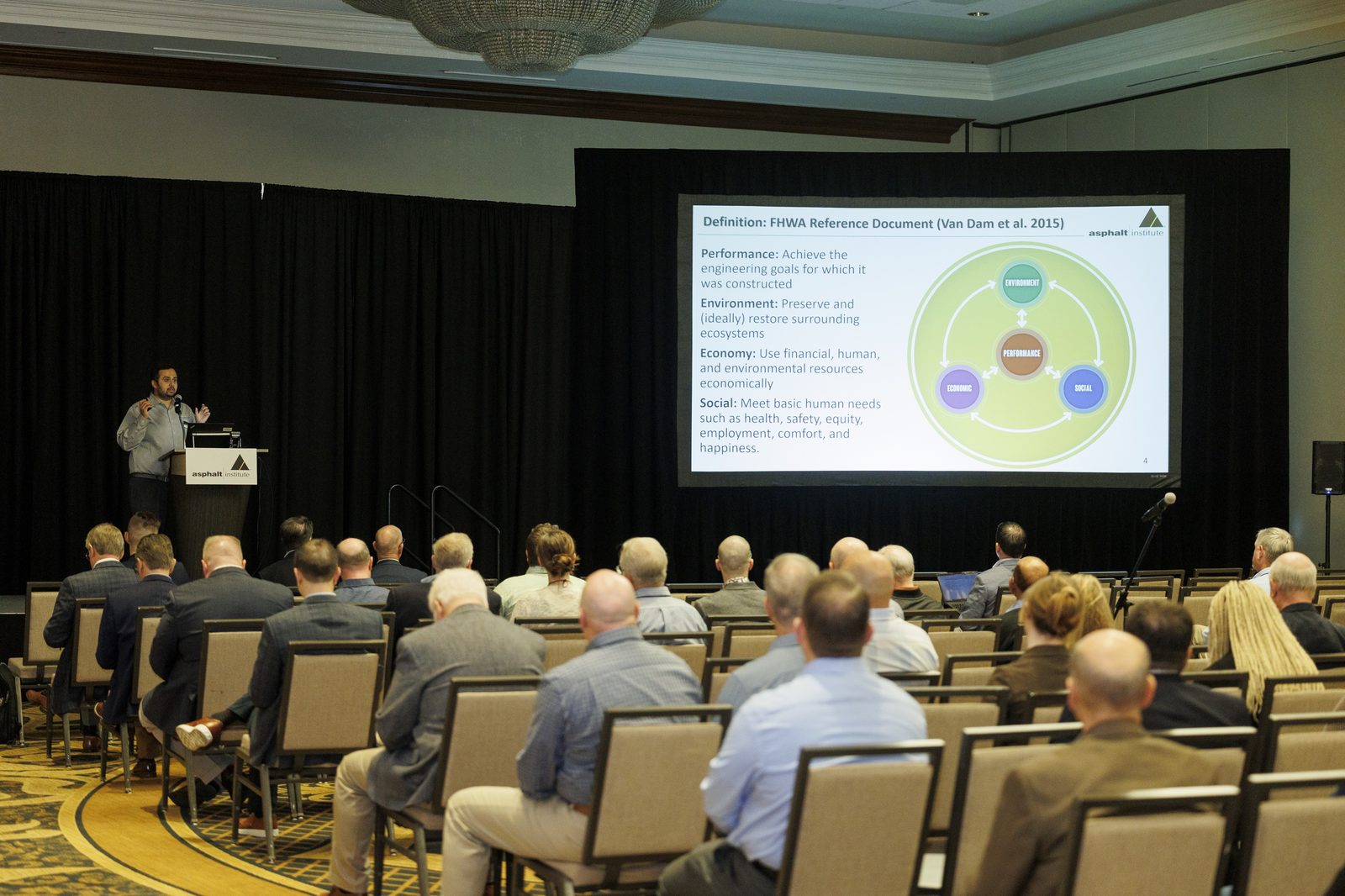
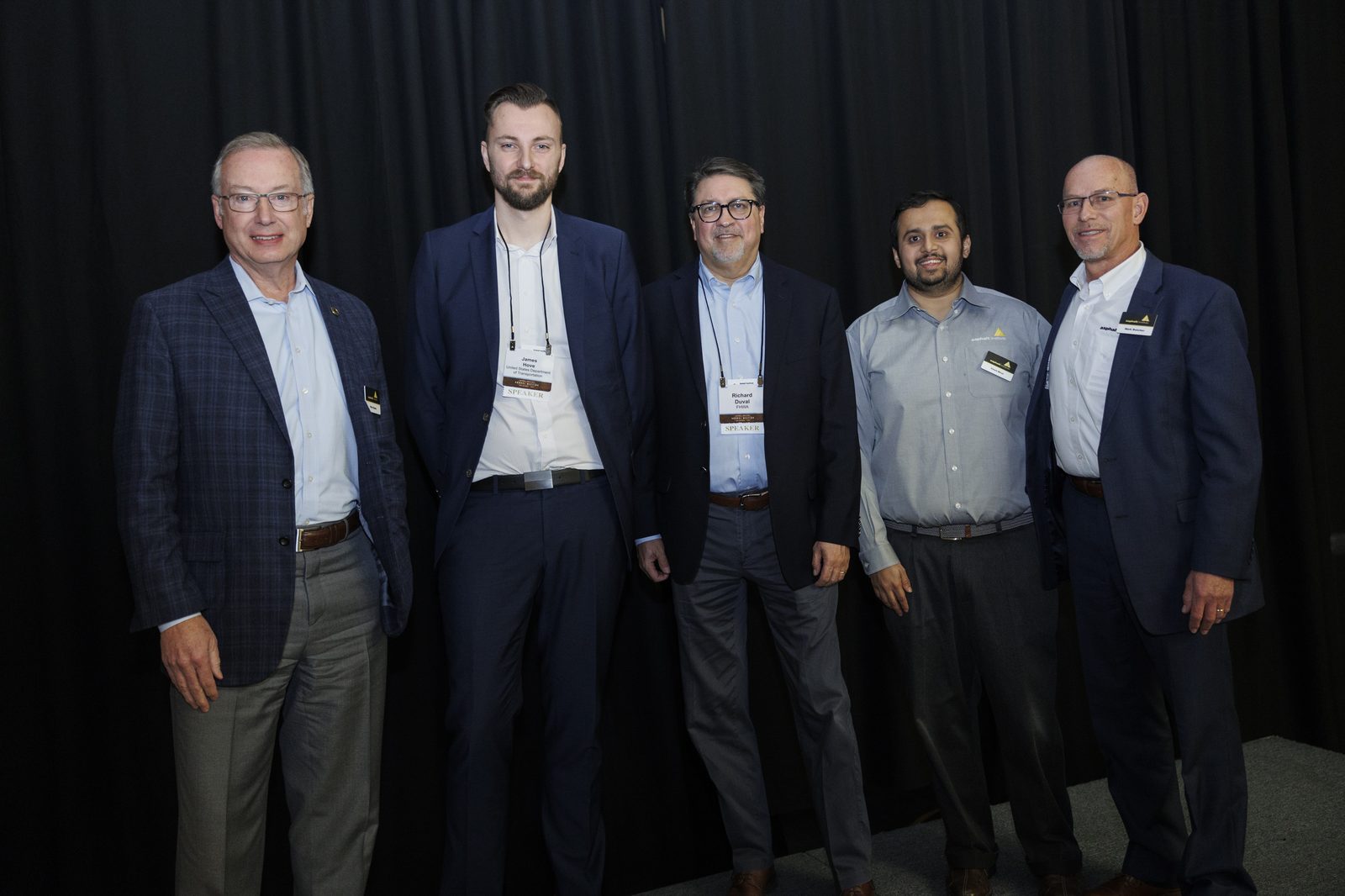
Whether it's a federal working group, an industry conference, or a university lecture hall, the goal is the same — make the methodology clear enough that engineers, regulators, and executives can use it.
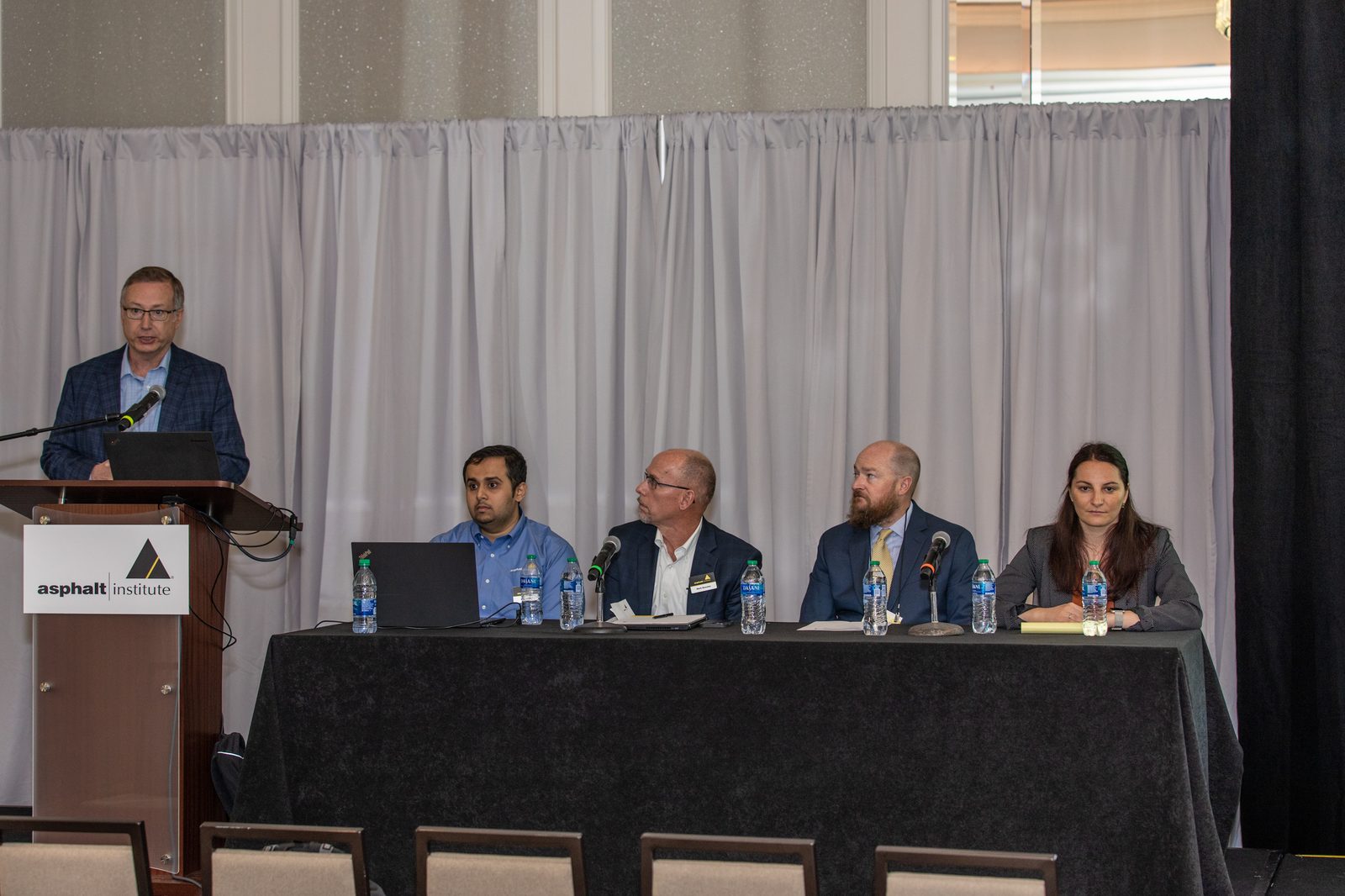
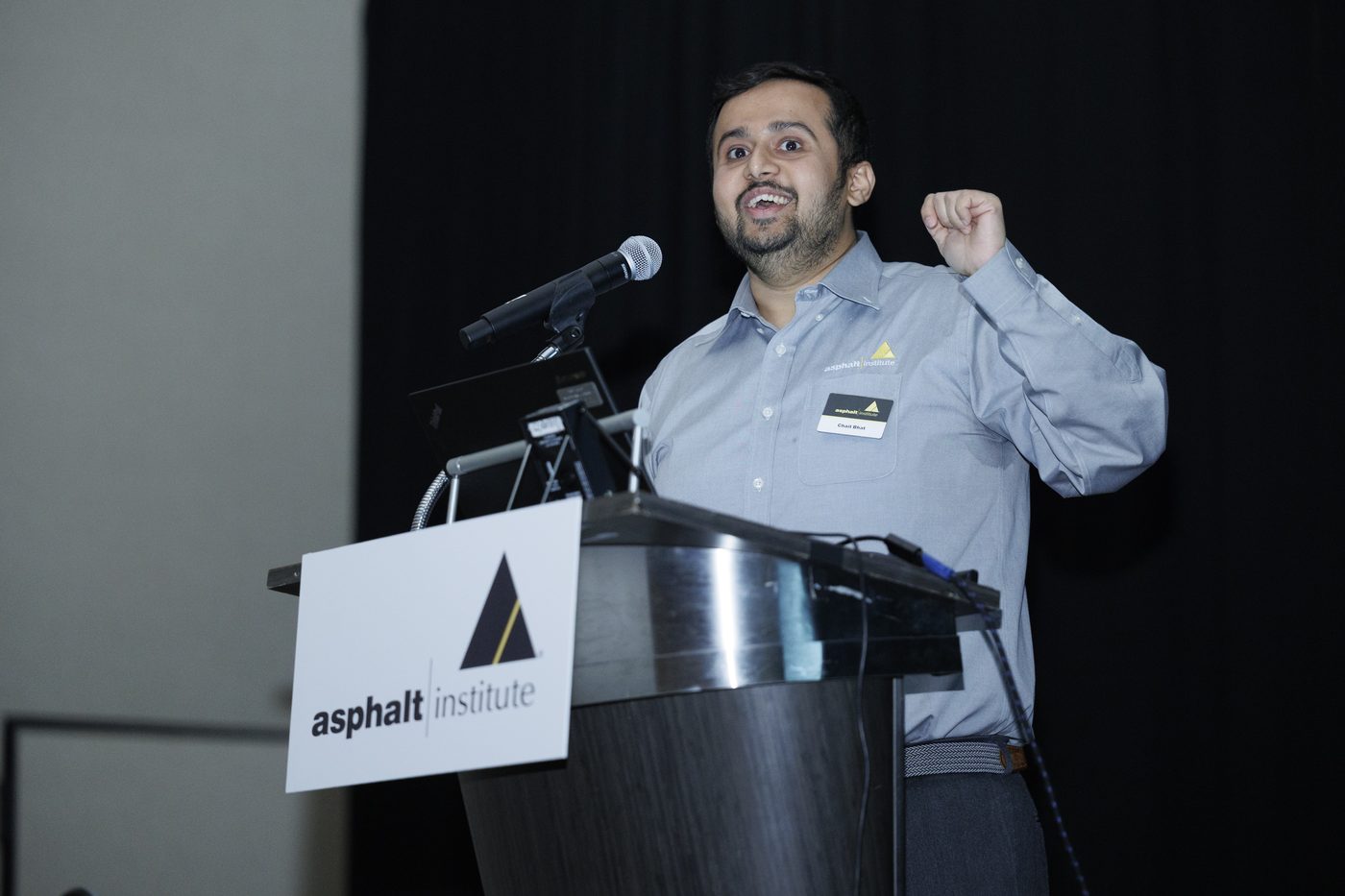
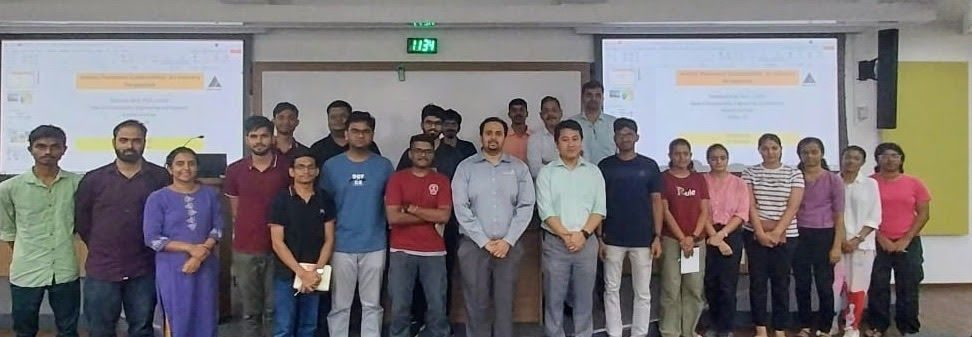
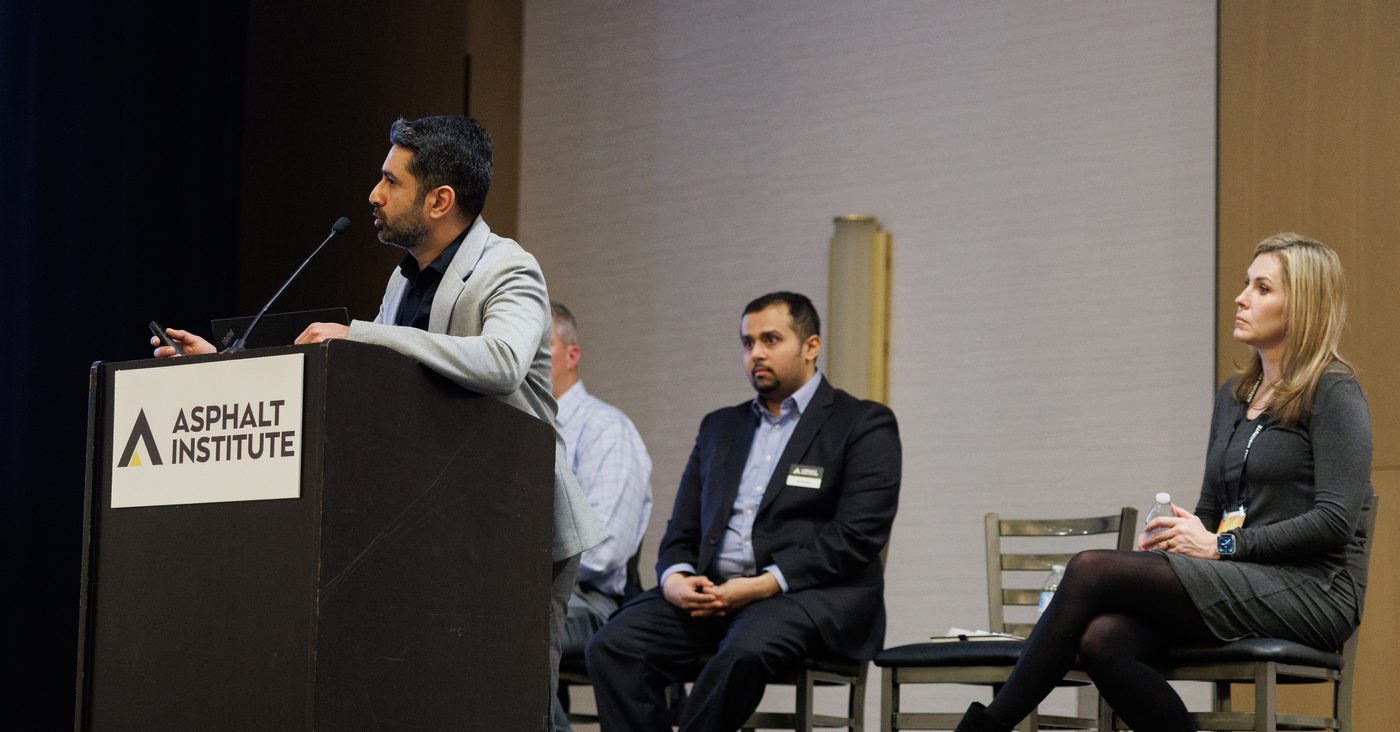
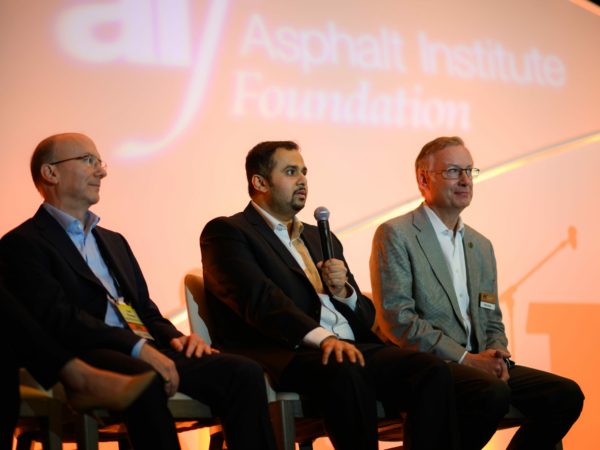
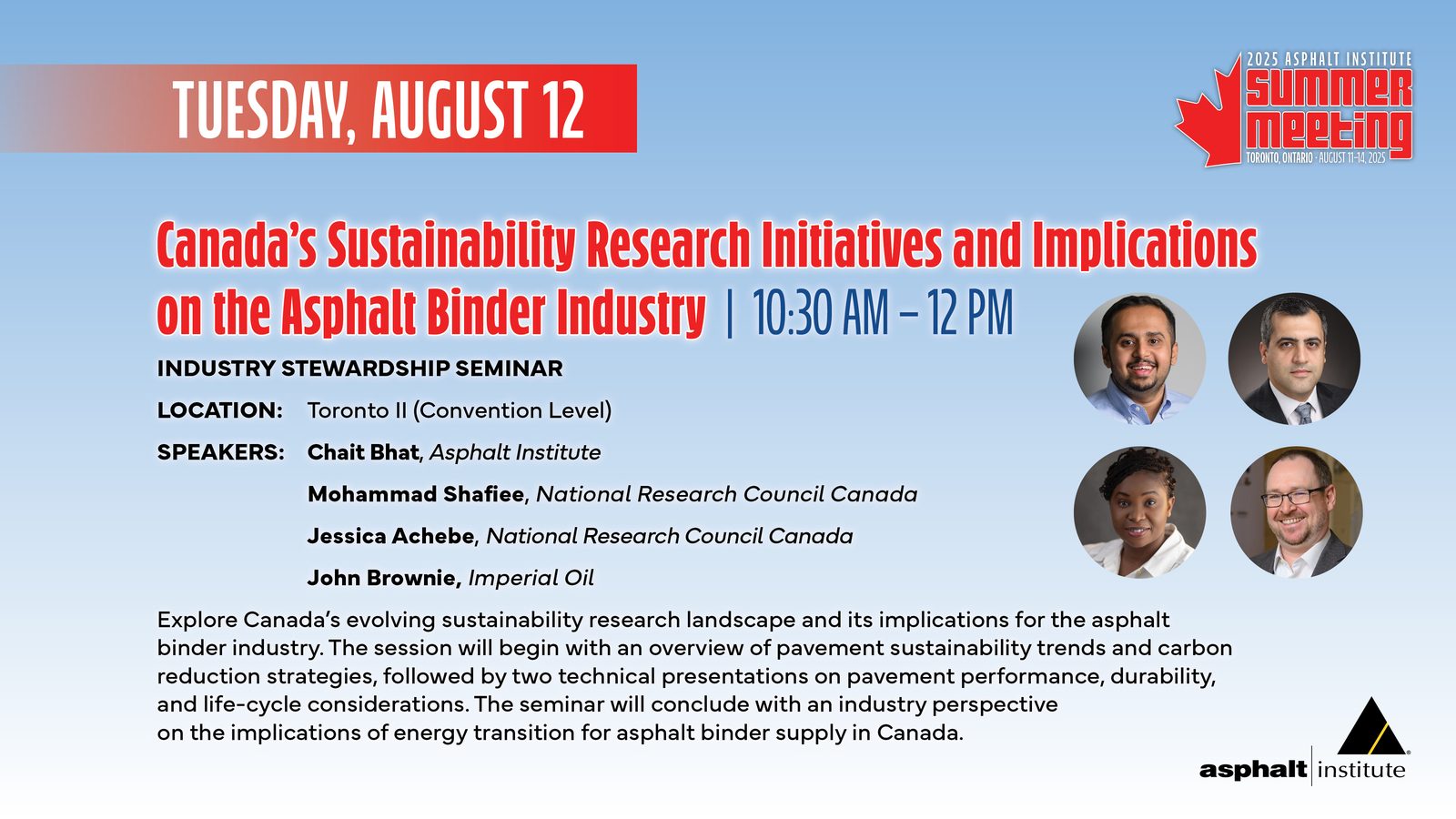
Keynotes, federal working groups, industry panels, and university seminars across North America, Europe, Africa, and Asia — translating sustainability science for the people who set policy and build infrastructure.
A regular contributor to Asphalt magazine, the Asphalt Institute's publication, where Dr. Bhat makes sustainability science legible to the engineers, agencies, and producers who put it into practice.
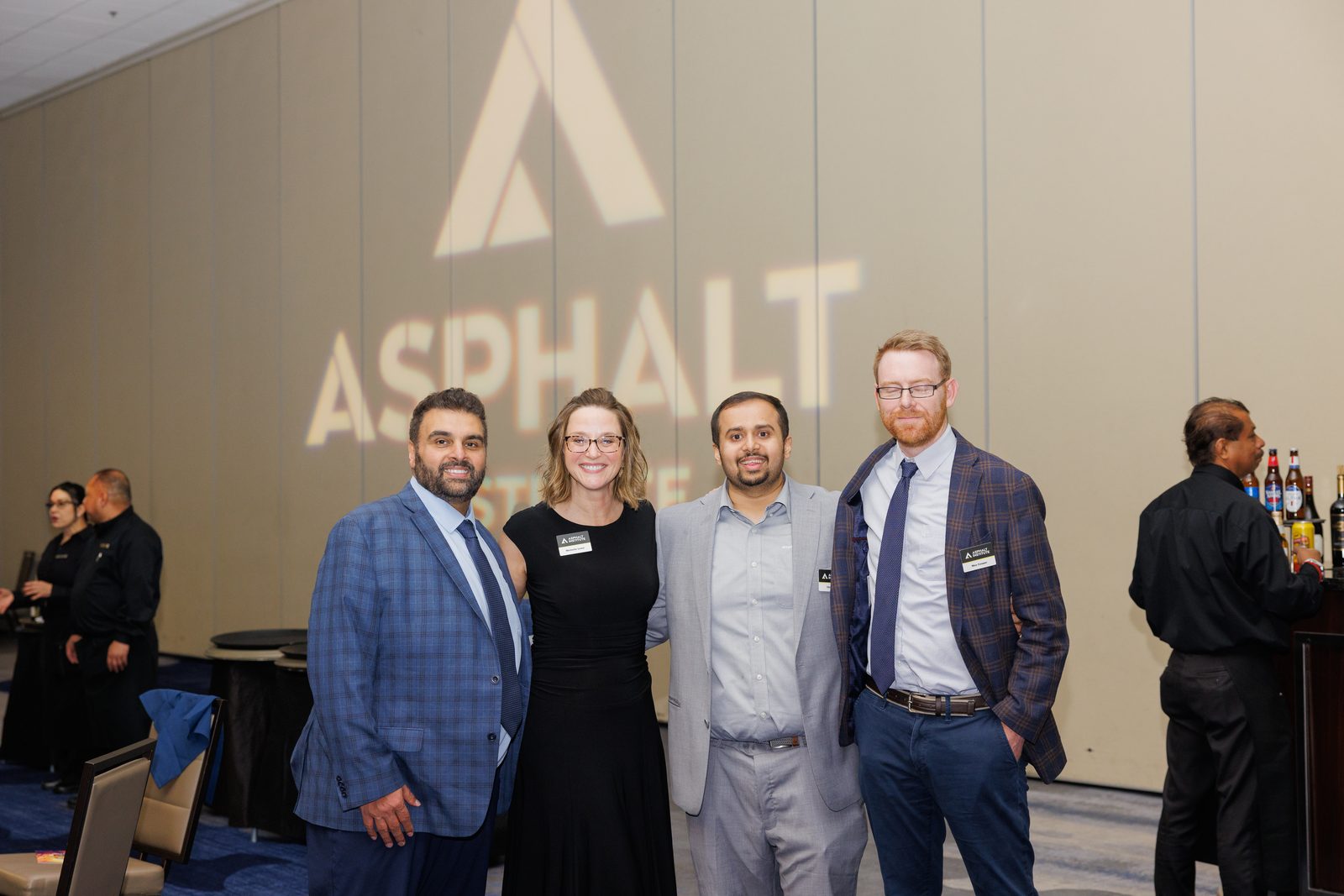
Much of the work happens in conversation — with members, agencies, and partners who together decide how the asphalt industry measures and reduces its footprint.
Open to speaking engagements, advisory roles, research collaboration, and conversations with academic and industry partners.